
Mivan Shuttering: Latest technology in Real Estate Construction
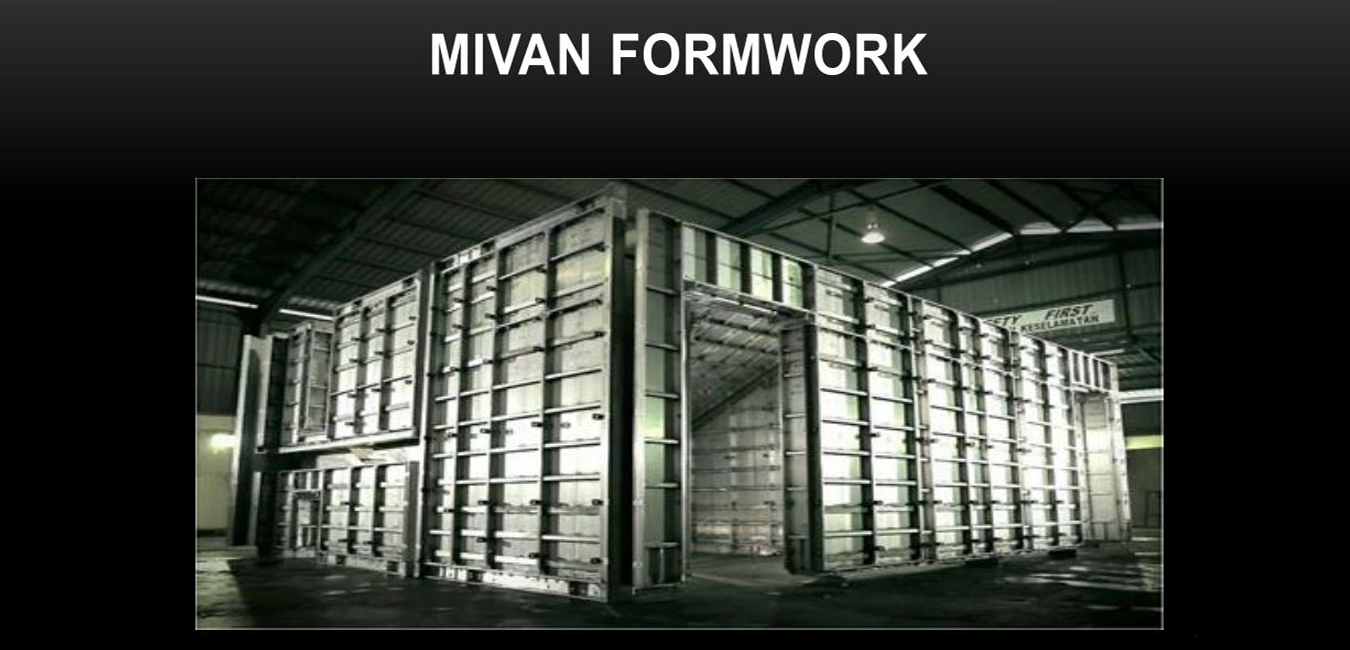
Mivan shuttering is a fast-paced construction technique that offers strength and durability to a building by use of aluminum formworks. It is much quicker than the traditional beam, column, and brick construction. This technology does not use column and beam but involves walls and slabs cast in easy-to-handle, lightweight, pre-engineered aluminum forms
With a creating focus on sensible homes and “Housing for all”, land accomplices are dynamically highlighting on the usage of new and inventive improvement strategies. One such advancement is Mivan covering which is being raised for its ability to assist with massing improvement activity.
So, what exactly is Mivan Technology? Historically, the Mivan Technology, or the aluminum formwork system, was developed by a European company. Later in 1990,the Mivan Company Ltd started manufacturing these formworks, hence giving the name ‘Mivan Technology’.
Use in India
So far, the technology has not been used extensively in India. The concept is popular in Gulf countries, Europe, and some parts of Asia. However, its use is being promoted in India to realize the most ambitious government scheme – Housing for all by 2022.
To make housing affordable for the masses, there is a need to focus on new construction technologies which can reduce construction time and cost. Mivan Shuttering is the solution to this. In addition to saving time and money, technology can also ensure the quality and strength of buildings.
Mivan Shuttering: Components and parts
The following components and parts are used in Mivan Shuttering technology:
Wall components: This includes a wall panel, stub pin, rocker, and kickers.
Beam components: This has a beam side panel, prop head, and panel for the Soffit beam.
Deck components: This has deck panels, deck prop, prop length, and Soffit length.
Other components: External and internal soffit corner and wall panel corners.
Mivan Construction technique
Setting up the wall reinforcing steel –
The wall reinforcing steel is used to give a structure to the building and support the concrete until they gain half of the required strength. The aluminum formworks are cast around the steel mesh, which is factory-made and directly erected on the construction site.
Placement of aluminum formwork
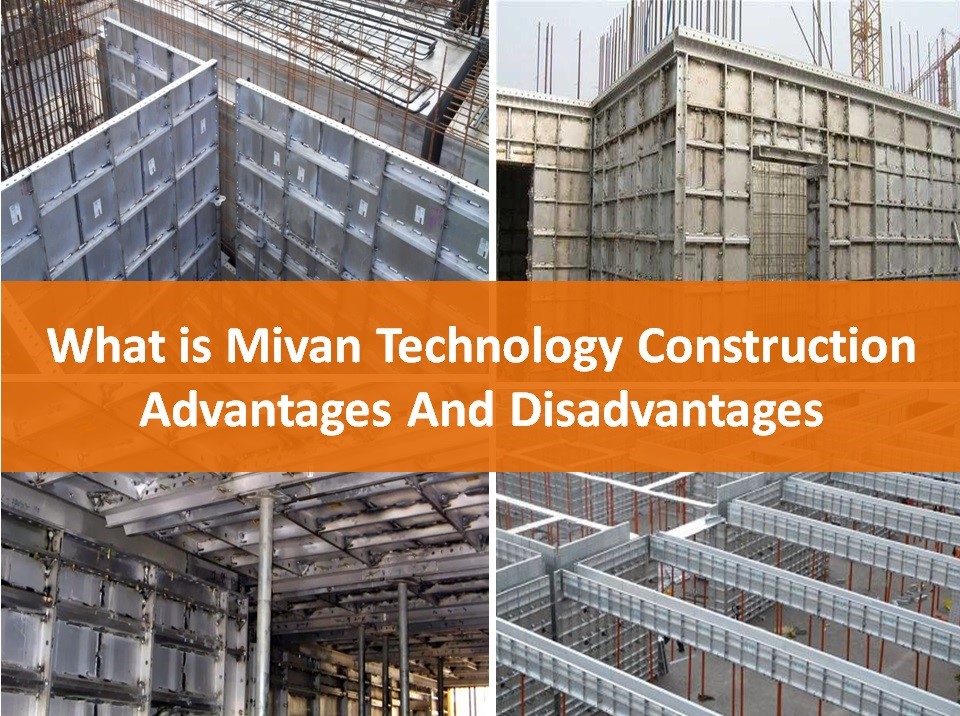
Along the wall reinforcing steel, prefabricated room-sized walls and floor slabs are erected. These aluminum alloy slabs are accurately made and are easy to handle. Spaces for windows, ducts, doors and other features such as staircases, façade panels, and chajjas are also integrated with these structures. The forms are joined together using the pin and wedge system, which can be dismantled quickly after the concrete structure is made.
Pouring concrete
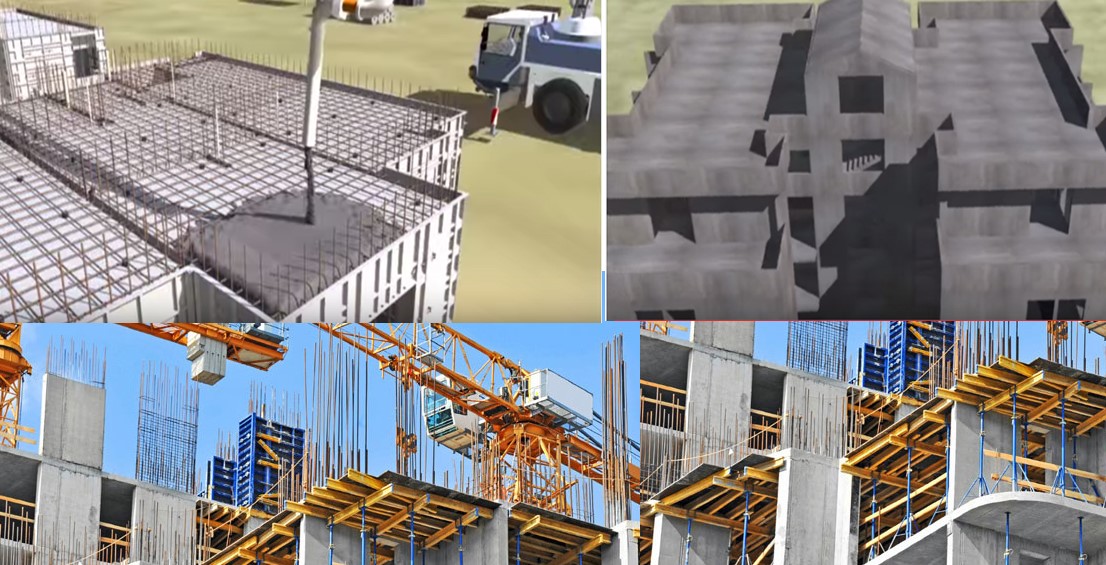
After casting the forms, high-quality concrete is poured. This concrete takes the form and shape of the cast, which is later removed to make way for a structure made entirely of cement concrete supported by wall-reinforcing steel. The aluminum forms can be reused at least 250 times, resulting in minimum waste from the construction site.
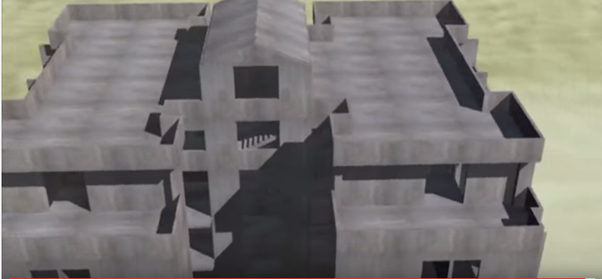
The resulting structure is accurate, smooth, and finished. It has a high tolerance and requires no further plastering. As a result, it saves time, effort, and money.
What are the advantages of Mivan Shuttering Technology?
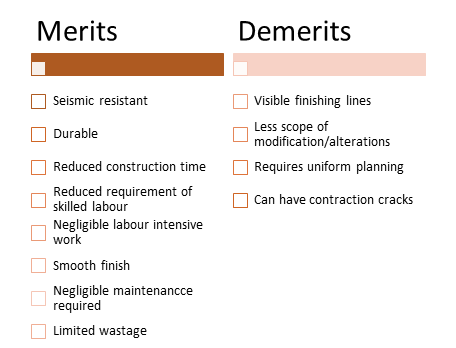
“Mivan Technology reduces the construction time by almost half in comparison to conventional practices. Since it has a set procedure to follow, it minimizes the need for skilled labor and completely eliminates labor-intensive activities such as masonry and rendering.”
On the structural front, the technology makes the buildings more seismic-resistant and durable. Since there is a lesser number of joints, the building faces reduced leakages, hence requiring negligible maintenance.
There is uniformity in Mivan construction and the walls and slabs have a smooth finish. Moreover, the technology gives the scope to take out more carpet area in comparison to conventional techniques.
What are the demerits of Mivan Technology?
Real Estate Construction by Mivan Technology does have certain demerits too. The finished structure could have visible finishing lines due to the small sizes of components used. After the structure is made, modifications are difficult to make, thereby making the building inflexible. The walls and slabs could also show cracks due to shrinkage. This can be prevented by either using control strips in the structure or by reducing the heat of hydration by using fly ash.
It is not yet clear assuming this innovation works in the development business considering native advances are advanced off late. In any case, on the off chance that the upsides of the innovation meet the bigger objective of ‘Lodging for All’, it could end up being a help for Indian land.
Disadvantages:
- Alignment maintenance needs skilled laborers
- Initial setup takes time
- It is expensive and used for typical floors only
- It needs skilled laborers for alignment maintenance
- Construction joints should be set properly
- Leakage issues like seepage, leakages during monsoon